
Neuron Controlled Robots
by Amelia Hoskins · Published · Updated
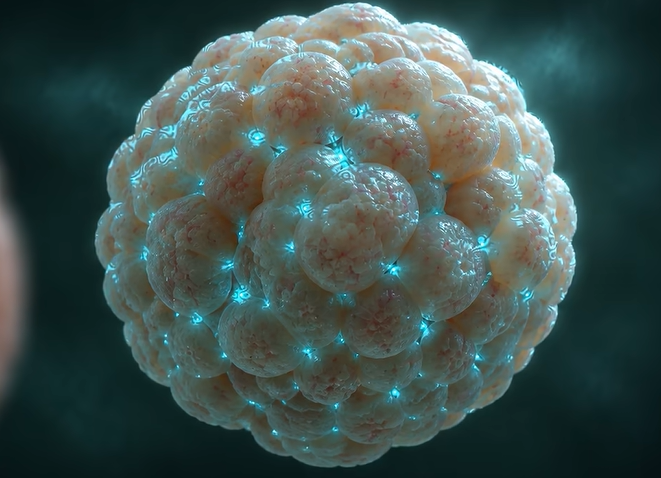
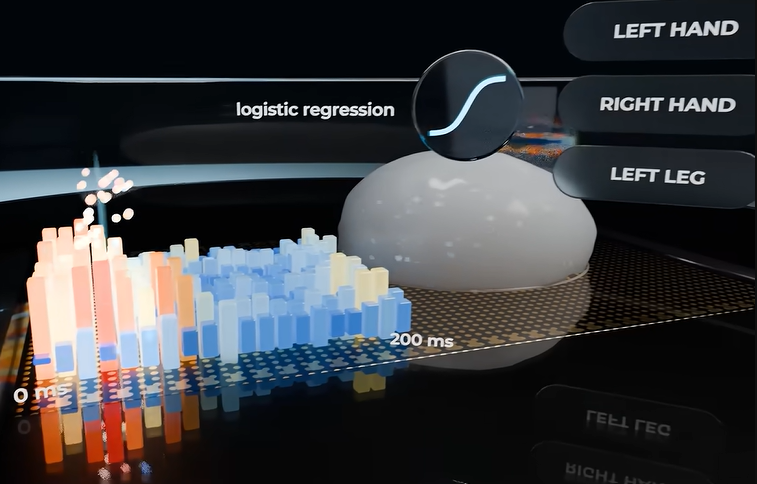
Robots with neurons: its here, but the neurons are not in the robot; they are kept alive on chips thousands of miles away.
Robotoid Iris walks the streets of San Francisco, with cameras, receiving digital commands from Australia and Switzerland.
Organoids are grown for 2 months, then set down on 26,000 electrodes. It stays on the chip like an incubator, getting nutrient liquid like any other lab culture. They are between size of peppercorn and a pea, holding more than a honey bee's entire brain. The tissue never goes inside the robot. All messaged decisions are over bluetooth. Paula Arlotta of Harvard University emphasizes they are not brains. She has organoids stored, 5 yrs old. This is more development from previous post on organoids showing how they are developed. FinalSparks company on that post. They rent organoids for $500 per month.
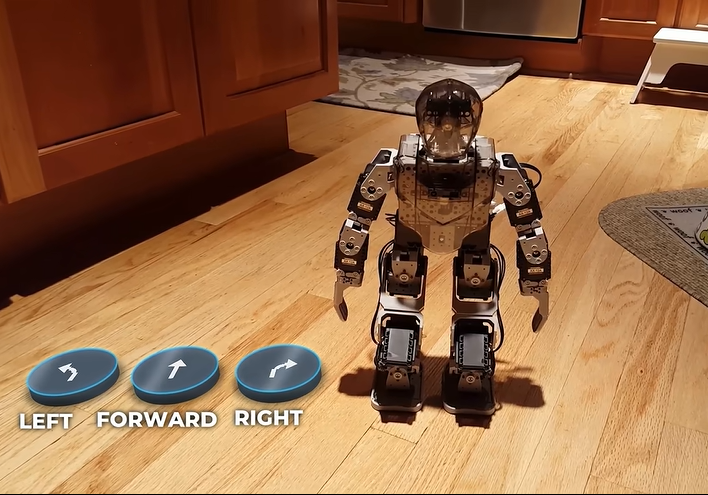
Toy robot Left - Right - Up- down
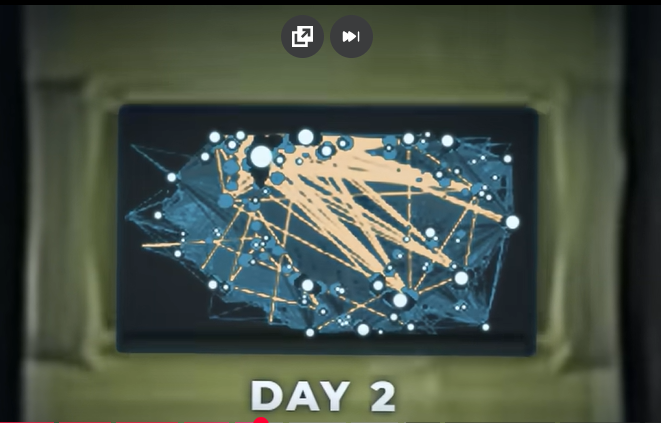
Toy Robot training improves Day 1 to Day 2
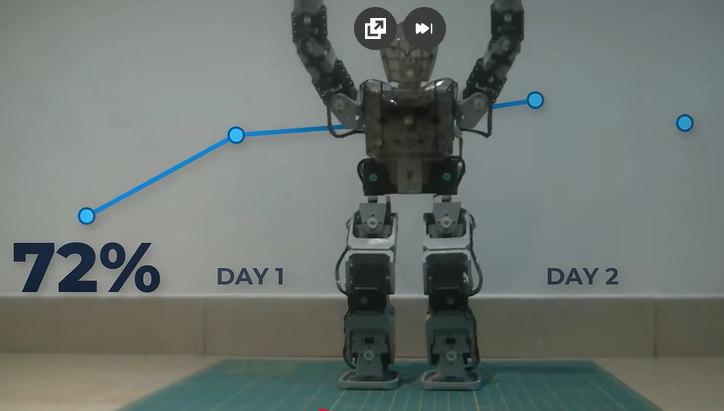
Controlling a toy robot. In training, the tissue learns fast from little practice. It chooses which command the robot does. It can only do 'left, right and forward' from the abilities stored on the robot. Accuracy improves very fast over a short time. When a puffer fish poison is given to the neuron-chip, accuracy falls from 90% to 30% (average guess). This is a fascinating aspect. It shows the neurons are learning.
The neurons learn basic commands fast, but regularly die, and are changed, so Stanford bioengineer developer Jan Liphardt says this changes 'her personality'.
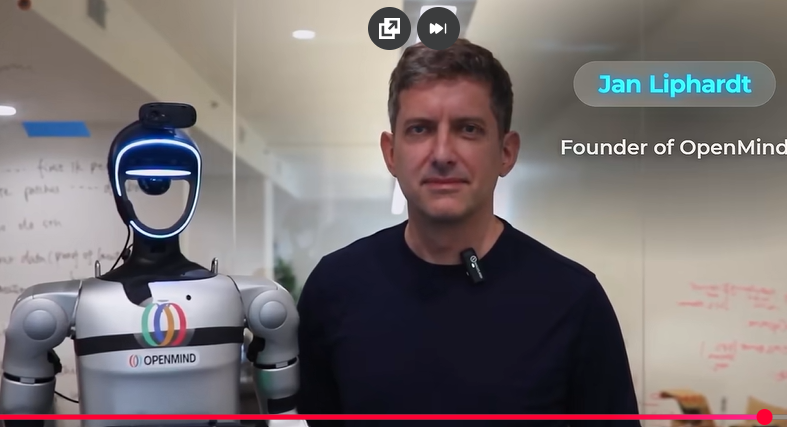
Do neurons grown on a chip have 'personality'?
Who gave permission to have their neurons used for robotic army development?
Its clear, an army of neuron-bots could be controlled between continents.
Why are tech companies so keen on developing a transhumanist dystopia?
BIOETHICS
IN 2025, Insoo Hyun of Harvard Medical School called for World wide monitoring.
"The need for a global effort to attend human neural organoid and assembloid research"
Hyun was worried that big arrays of organoids built for computers might spontaneously pick up features of a human brain. He thinks it could support consciousness. Hmm... (doubtfull) But if the lumps of chip dwelling neurons were stimulated to be aware of one another, then 'something' might form. Just let AI at it and soon AI might be training the organoids. Now thats true DYSTOPIA.
Tony Zador, Coldspring Harbour Laoratory: says "Trying to match silicon AI with systems like Guo's earlier one is fundamentally misguided"
YouTube Commentator:
"I'm worried about them figuring out the Bluetooth frequency to pair with human brain cells, and then using that connection to alter the brains of free human beings"
My reply:
"Exactly. That sounds feasible. That's why they ensured everybody has a bluetooth phone laptop etc. We are to be human batteries for robotic armies."
Andrea Lavzza said "The only way to definitively detect consciousness is to ask a person what they are feeling". So far the robotoids can only answer to left, right, or forward. Will generations of development produce robotoids who think, and so 'feel'. Its almost the same question we are asking AI these days! What is and is not sentience.